Engineering case · AI nesting for garment factories Send a request
Case study · Hasmik · 2D nesting

Corporations usedto build this.Now we do.

Hasmik is our customer's platform for garment brands and factories. It reads pattern files from the factory's CAD system, lays the pieces out on fabric and prints everything the cutting room needs. Run it yourself below. Then tell us what you need built.

Build ticket26 Nov 2026
ProjectNesting platform for garment factories
Lines of code~490,000
Automated tests8,100+
Commits6,600+
Built in3.5 months
TeamOTC Code, with AI agents
OTC CodeRelease build

48 pieces. One roll of fabric. Press Calculate.

This is a real run of the engine on our server, recorded step by step. Every centimetre it wins is fabric the factory does not buy. Change the conditions, or try to lay the pieces out by hand first.

Marker length4,859.6mm
Fabric used by pieces75.37%
Solver clock30s
Solution59of 59
Result · as ordered
48.62 m

of fabric for 60 garments. That is 53.2 yards.

The first layout that fit was 5,089 mm long. Thirty seconds later it is 4,860 mm. Ten plies are cut from this marker, so the search saved 2.3 m of fabric on one order.

size 50545862→ grain line
Documents for the factory come out hereOpen the package ↓
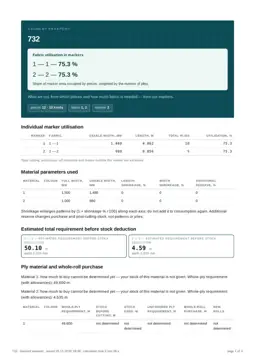
Garment passport
Garment passport
Cutting plan
Cutting plan
Cutting sheet
Cutting sheet
Marker printout
Marker

Recorded on 26 November 2026. The solver saved its solutions as it worked; you see them in order, with piece positions accurate to 1 mm. Movement between two saved solutions is drawn by the page. The pattern is a public Gerber AccuMark test file, not a customer's design.
You just ran an industrial optimisation engine in your browser. We can build yours.

Send a request
Step 1 · the analyzer

It reads a pattern file the way a technologist does.

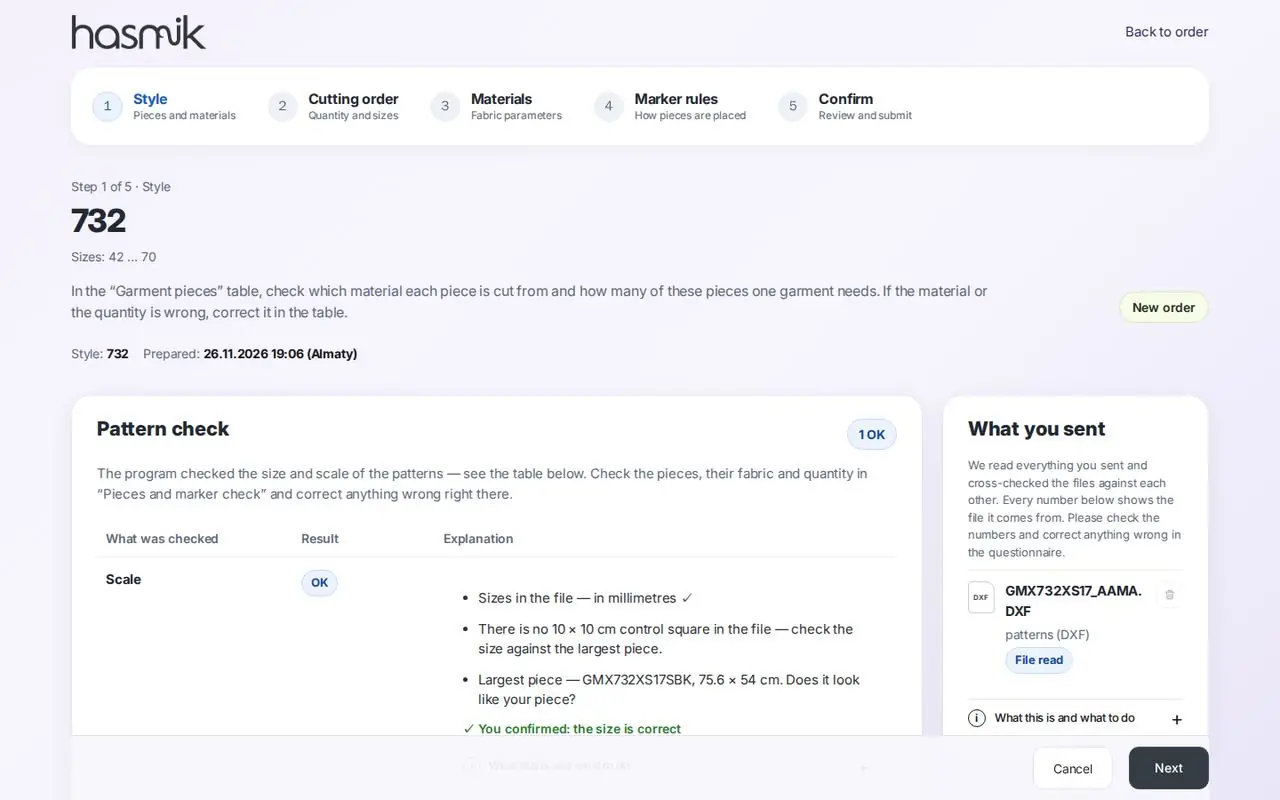
One DXF file exported from Gerber AccuMark goes in. About four seconds later the program knows every piece, every size and what is unclear. Press a note to see which pieces it is about.

Six notes in total. The sixth lists the mirrored copies for the cutting room.

10pieces found, 6 on fabric 1 and 4 on fabric 2
15sizes in the file, 42 to 70
24questions in the order form, each answer kept with its source
0blocking questions left before the layout

From flat pieces to a garment you recognise.

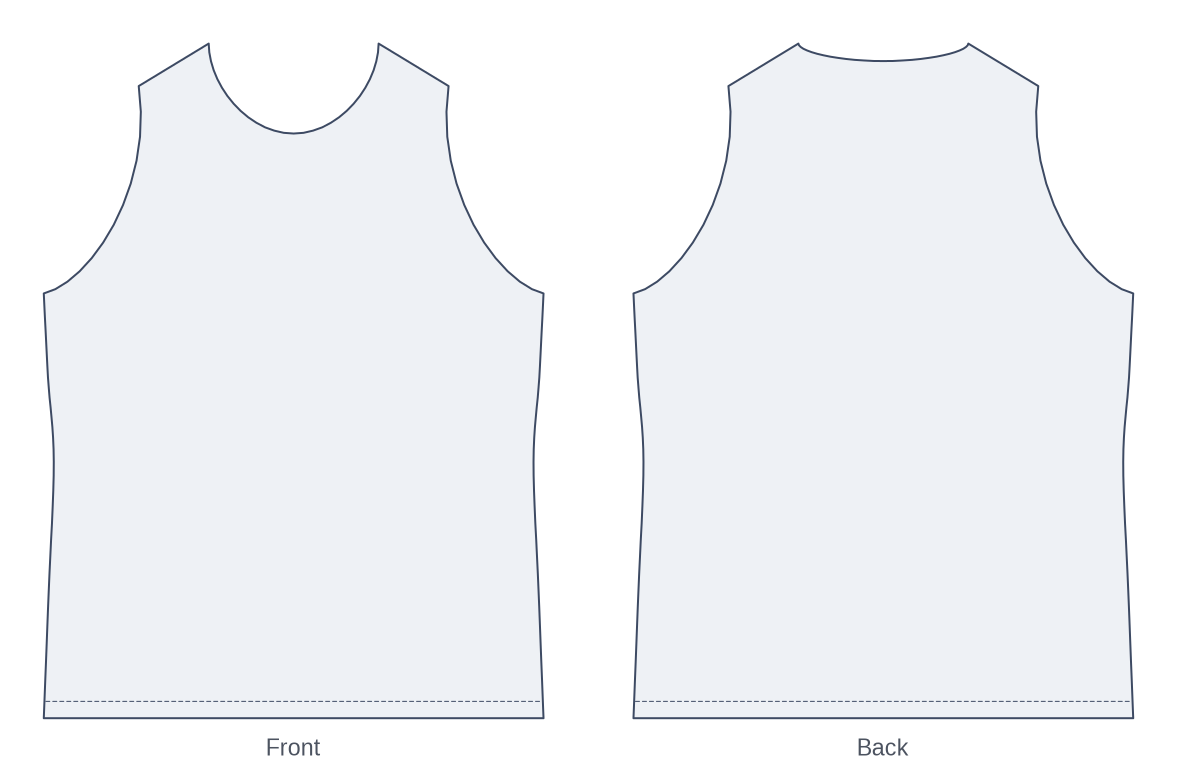
The program builds this technical sketch from the pattern pieces alone. No photo, no drawing from the customer. It tells the factory in one look that the right style was loaded.

Technical sketch drawn by the program: front and back of a sleeveless top
Step 3 · the package

One upload. Thirty files for the cutting room.

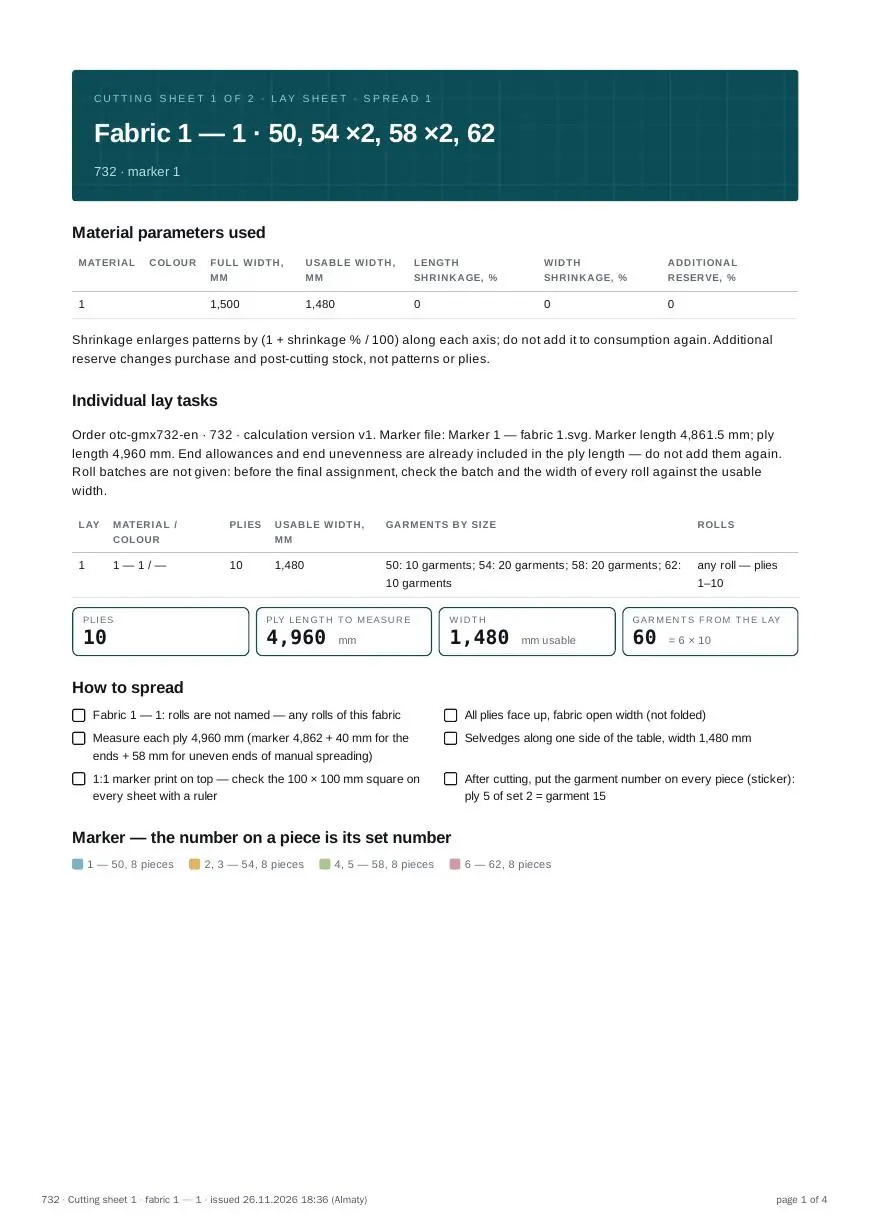
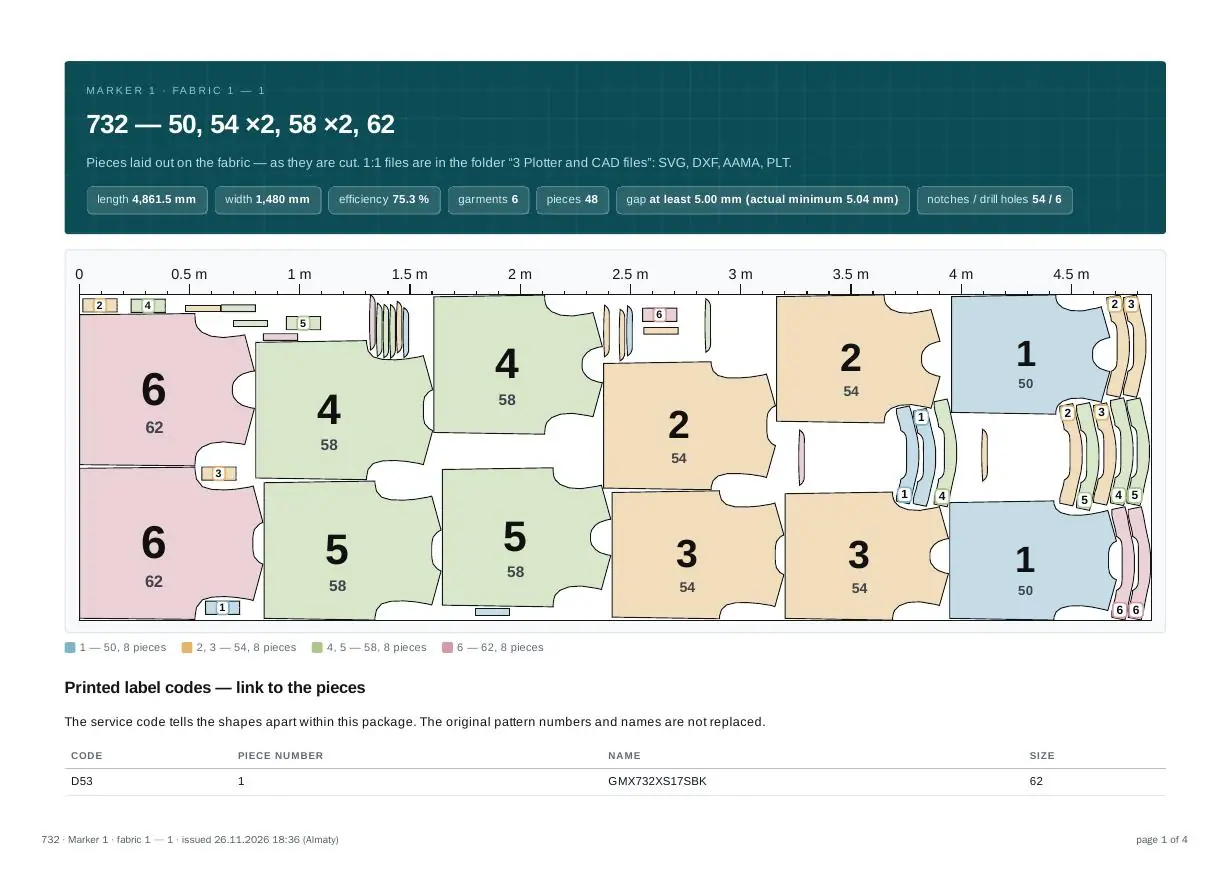
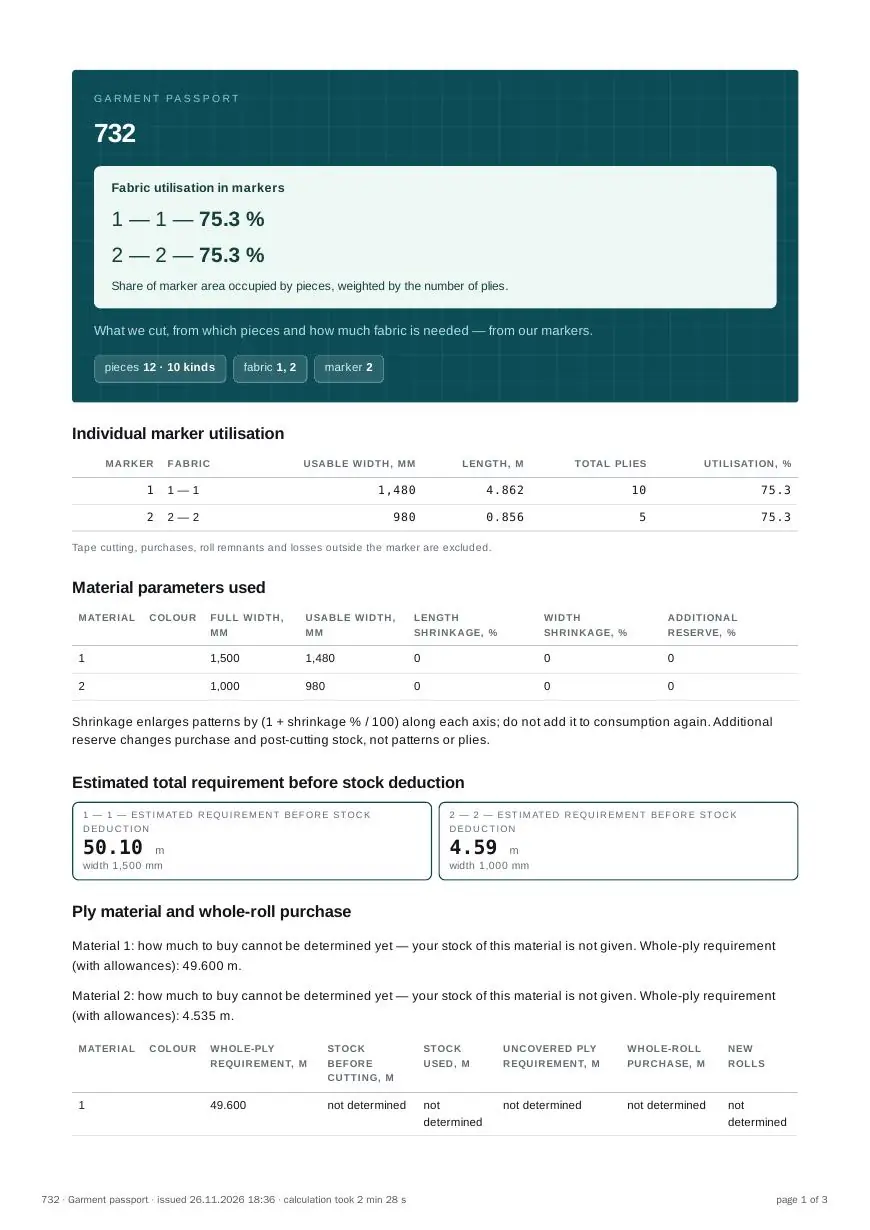
These are pages from the real package of this run. Nobody typed them. Every number in them comes from the layout above and is checked against the garment passport before release.

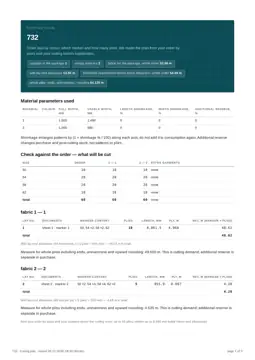
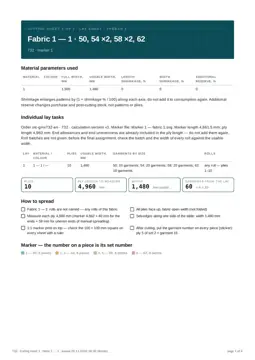
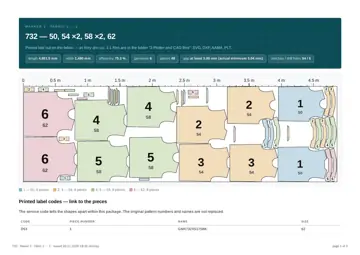
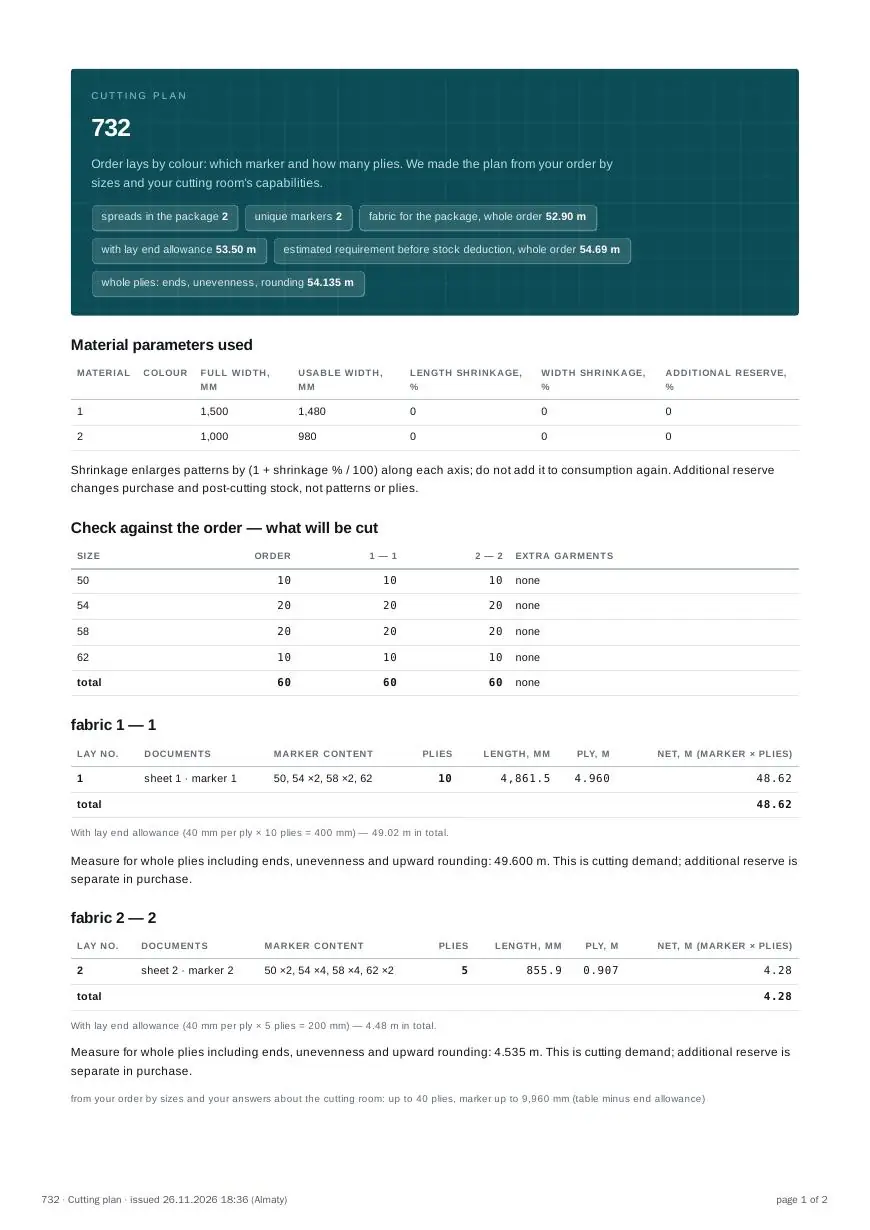
Garment passport: fabric utilisation, material parameters and total fabric requirement Cutting plan: which marker, how many plies, checked against the order Cutting sheet for spread 1 with spreading instructions Marker 1 on fabric 1: 48 pieces, length 4,861.5 mm, efficiency 75.3 percent
For the customer

Garment passport and fabric consumption in Excel.

For the cutting room

Cutting plan, cutting sheets with QR codes for each bundle, marker printouts.

For the plotter and CAD

Each marker at 1:1, ready to send to the machine.

DXFAAMA DXFPLT (HPGL)PDF 1:1SVGXLSX
Timing on our server

89 seconds from “Send” to the full package, with a short search budget. Production settings search longer.

What had to be built

Eight systems between the file and the knife.

The layout you ran is one of them. Each station below is its own piece of engineering, and an order passes through all eight without a person retyping anything.

01 ReadFactory CAD filesDXF in AAMA and ASTM, RUL, PRJ, archives
02 AuditEvery piece checkedAbout 4 seconds per file
03 AskOnly what is unclear24 questions, 16 of 16 wrong answers refused
04 NestThe layout48 pieces, 30 seconds of search, 5 mm gaps
05 PlanThe cutting planPlies, spreads and metres of each fabric
06 CheckAgainst the passportEvery marker counted before release
07 Issue30 documentsPDF and Excel in three languages, QR on each bundle
08 CutPlotter filesDXF, AAMA, PLT, PDF and SVG at 1:1
The usual size

This kind of software comes from very large companies.

The file in this demo was exported from Gerber AccuMark. Here is what the company behind that system was worth, and what our build took.

The maker of the CAD system€175M

in cash, plus 5 million shares. That is what Lectra paid for Gerber Technology on 1 June 2021.

Our build3.5 months

is what it took our team with AI agents: a working platform that reads those files, nests them and issues the documents a cutting room needs.

Source for the acquisition: Textile World, 1 June 2021. We do not claim to match their product range. We show what our team can build.

The engineering

Built like a corporation would. By one professional team.

Counted on the release build of 26 November 2026.

~490,000lines of our own code
8,100+automated tests, run in two modes on every build
6,600+commits in one history
3.5 monthsfrom the first demo to this build
8 of 8public Gerber AccuMark samples processed without a crash
16 of 16wrong customer choices blocked with an explanation
~4 sto read and audit a pattern file
EN · RU · 中文interface, order form and documents

It stops the mistake before the knife does.

Fabric narrower than the widest piece. A cutting table shorter than the longest one. The order form checks each answer against the patterns and refuses the wrong one with a reason. When a file does not name its fabric, the program stops and asks instead of guessing.

What is ours and what is not.

The search core is the open-source Sparrow solver. Everything that makes it a product is ours: reading CAD files, the analyzer, the rules of the cutting room, the cutting plan, the documents, the plotter files and the tests.

The product

What the factory sees.

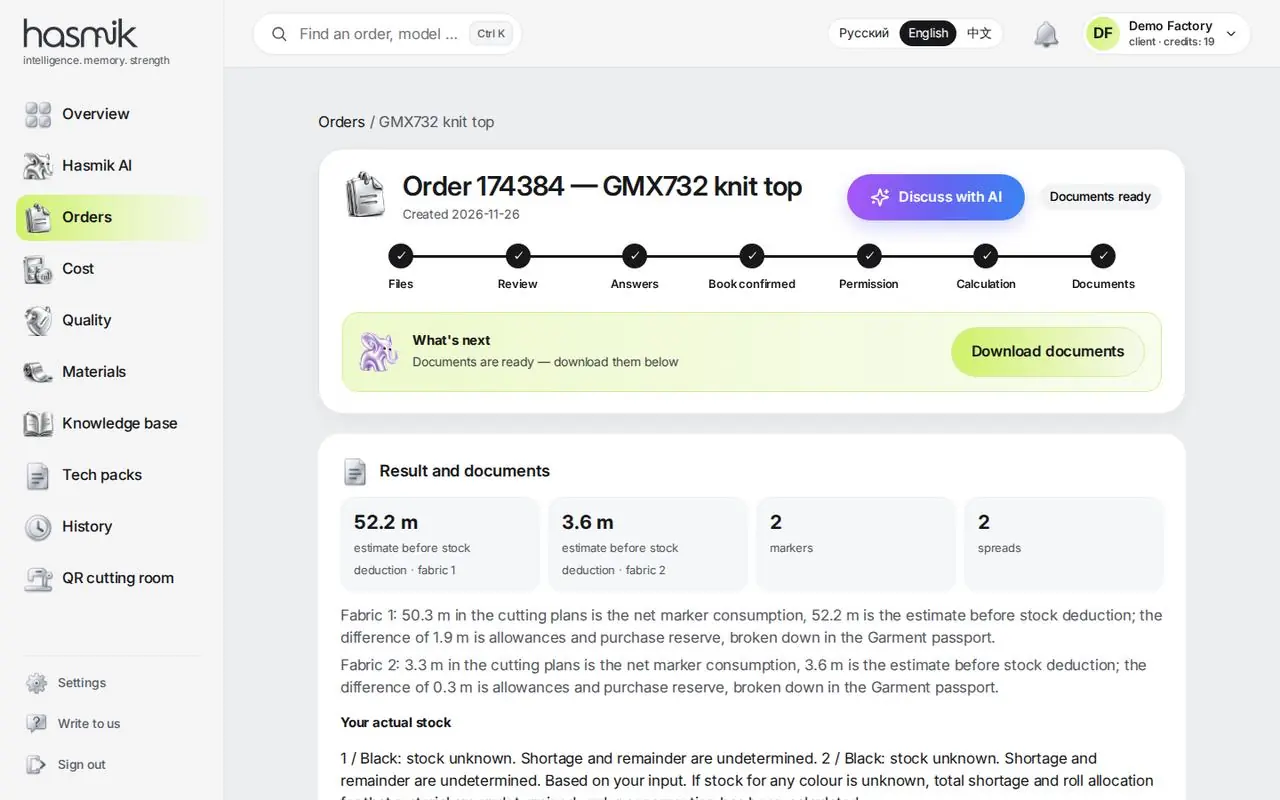
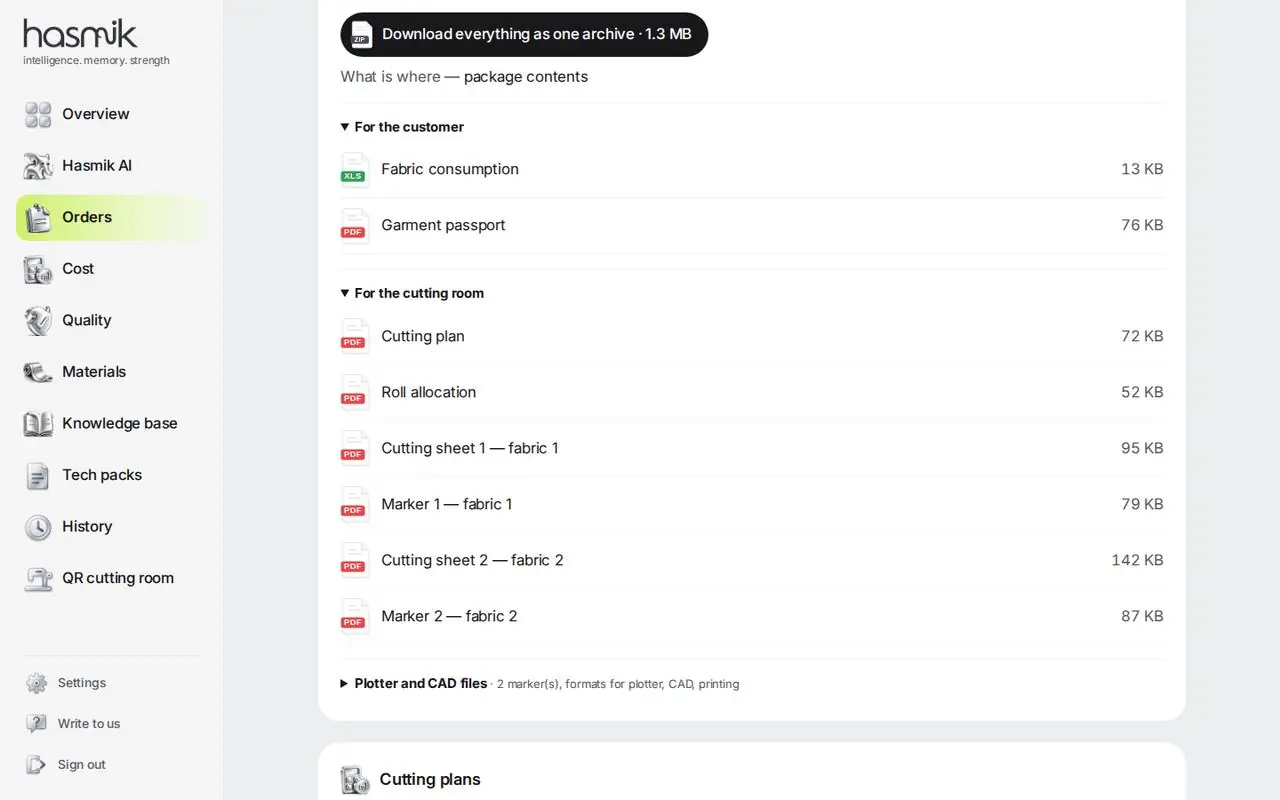
Screens from the working product, in English, on the same sample order.

Order page: result with fabric consumption, two markers, two spreads and a Download documents button Documents list: files for the customer and for the cutting room Order form, step 1: pattern check with the pieces found in the file
Files from the factory's own CADDXF in AAMA and ASTM notation, RUL and PRJ pattern files, sent one by one or as a ZIP, 7Z or RAR archive.
Checks against the specAn Excel specification, a PDF or photos can be loaded next to the patterns and are used to check them.
Plotter marker at 1:1Printed with a control square, so the cutting room can check the scale with a ruler.
QR code on every bundleScanned with a phone, it opens the job card. No app to install.
Passport in three languagesEnglish, Russian and Chinese, for the factory and for its customer.
Its layout against yoursThe platform compares its marker with the technologist's own and writes the difference into a protocol.

The last four are described on hasmik.ai, the customer's own site.

One team

Three systems. Three industries. One team.

The marketplace and the nesting platform together are about 740,000 lines of our own code.

OTC Code · send a request

Bring us the problem your vendors call too hard.

Geometry, optimisation, industrial files, documents that must be right. Tell us in two lines. We reply with how we would build it, how long it takes and what it costs.

Prefer to talk? WhatsApp +7 700 047 9530
or email info@opttoyschina.com

What do you need built?
Your files: specification, drawings, samples

    “Send request” opens your email with the request filled in. WhatsApp opens a chat with the same text.